Begin Where the Country Begins
The first question is not which book but which France. The contemporary French novel — roughly from the 1980s to now — is less a literary tradition than an ongoing national argument: about identity, class, memory, laïcité, the postcolonial debt. The novels that matter tend to take positions. So the best entry point is usually the one that opens the argument you most want to have.
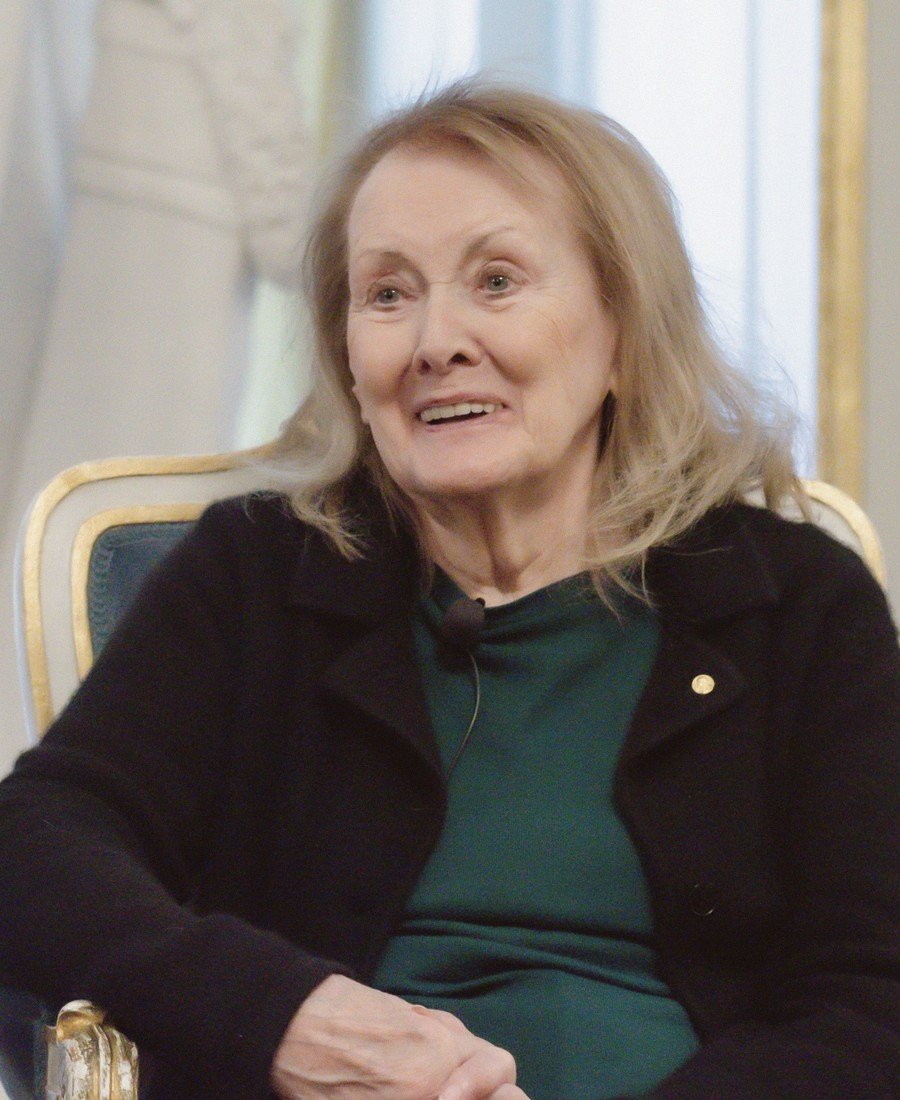
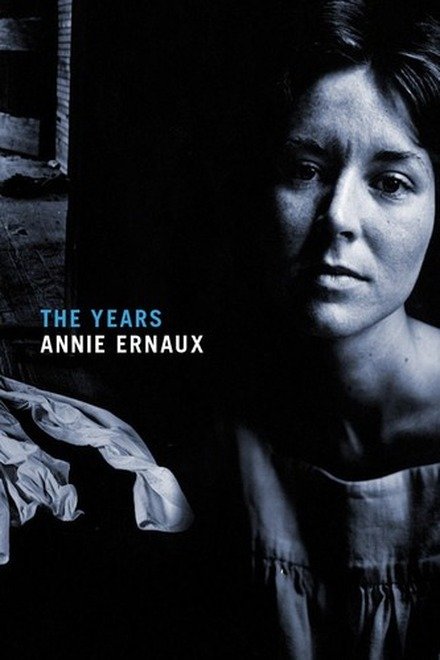
For readers new to the terrain, Annie Ernaux is the obvious door. Les Années (2008), published in English as The Years, is both her most ambitious work and her most hospitable: a collective memoir of postwar France that moves from the Liberation through the early twenty-first century, using "she" instead of "I" to make one woman's life the story of a generation. It is not difficult prose, but it is original — nobody else has made the generic photograph, the shared Sunday lunch, or the price of goods in a particular decade do so much narrative work. Ernaux won the Nobel Prize in Literature in 2022; The Years is the book that earned it. Start there.
The Accessible to the Demanding
From Ernaux, two paths diverge. The first stays close to the social realism she exemplifies. Leïla Slimani's Chanson douce (2016), translated as The Perfect Nanny, won the Prix Goncourt and opens with a nanny murdering the children she tends — a device that is not a spoiler but an engine, generating sustained dread about class, domestic labour, and the particular anxieties of the Parisian professional household. It reads fast, is available in most bookshops, and deposits serious ideas without announcing them. Similarly accessible: Édouard Louis's En finir avec Eddy Bellegueule (2014), translated as The End of Eddy, a ferocious autobiographical novel about escaping poverty, homophobia, and the white working-class north of France. Louis was twenty-one when it appeared; the book is flawed and electric, and it announced a writer who has spent the decade since deepening the same wound.
So the best entry point is usually the one that opens the argument you most want to have
The second path leads toward strangeness. Marie NDiaye's work is realist in surface texture and quietly vertiginous underneath — ordinary life in her fiction has a way of becoming unnavigable, bureaucracies swallow people whole, identities dissolve. Trois femmes puissantes (2009), translated as Three Strong Women and winner of the Goncourt that year, is the ideal introduction: three linked novellas about women negotiating, at great cost, a world that would prefer them absent. NDiaye writes sentences of extraordinary precision; the eeriness is structural, never gothic.
For readers who want the large male provocation — and the contemporary French novel does, unfortunately, supply it — Michel Houellebecq is unavoidable. La Carte et le Territoire (2010), which won the Goncourt and is available as The Map and the Territory, is his most controlled novel: an artist's rise to celebrity, a murder mystery, and a long meditation on what France has turned into. It is also wryly funny in ways his reputation doesn't always advertise. Soumission (2015; Submission in English) is more divisive, imagining France under an Islamist government, but it rewards reading precisely because the satire is directed at French complacency as much as at Islam.
Into Deeper Water
Readers ready to be less comfortable should turn to Virginie Despentes. Vernon Subutex 1 (2015), the first volume of a trilogy tracking a record-shop owner's fall into homelessness across contemporary Paris, operates as polyphonic social novel: each chapter shifts perspective, and the aggregate portrait of France — its losers, its hustlers, its dispossessed — is both caustic and unexpectedly tender. Despentes writes with the rhythms of punk and the reach of Balzac; she is, in the best sense, a popular novelist who refuses to flatter her readers.
For the reader who wants to understand what French fiction was doing before it got so confessional, Mathias Énard's Boussole (2015; Compass in English, winner of the Prix Goncourt) stands apart: a night-long insomniac reverie about the relationship between Europe and the Orient, told by a Viennese musicologist, dense with scholarship and longing. It is the most demanding novel on this list, and the most rewarding for readers who meet it on its own terms.
These eight books — Ernaux, Slimani, Louis, NDiaye, Houellebecq, Despentes, Énard — are not a curriculum. They are, rather, the French novel as argument: books that push back, that take the country seriously enough to refuse it consolation. You can start anywhere on the list. Each one, followed to its roots, leads eventually to all the others.
A chronology
- 2008Les Années published
- 2009NDiaye wins Prix Goncourt for Trois femmes puissantes
- 2010Houellebecq wins Prix Goncourt for La Carte et le Territoire
- 2014Édouard Louis publishes En finir avec Eddy Bellegueule
- 2015Despentes publishes Vernon Subutex 1; Énard wins Prix Goncourt for Boussole
- 2016Slimani wins Prix Goncourt for Chanson douce
- 2022Annie Ernaux awarded Nobel Prize in Literature