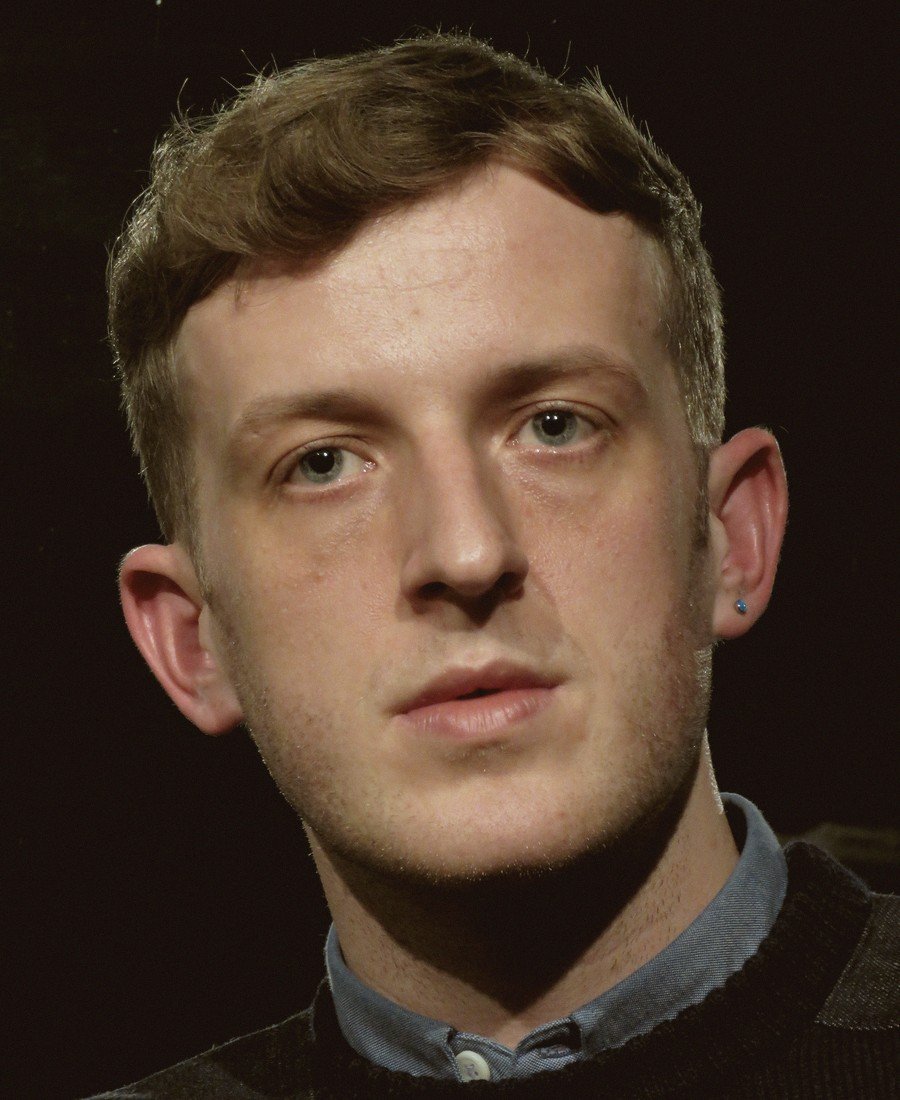
Édouard Louis was born Eddy Bellegueule in Hallencourt, a small town in Picardy, in 1992. He left — for the lycée in Amiens, then for the École normale supérieure — and he has been writing about the leaving ever since. En finir avec Eddy Bellegueule (2014), translated as The End of Eddy, announced a brutal, clarifying project: to name the poverty, the homophobia, the physical violence of a working-class northern French milieu, and to do so without softening.
The books that followed — Histoire de la violence, Qui a tué mon père, Combats et métamorphoses d'une femme — extended the method. Each one returns to the same material: the family, the village, the body marked by class. The father is a recurring figure, ill, unemployed, ground down by a system indifferent to him. Louis's achievement, and his difficulty, is that he refuses to choose between indicting that system and loving the people it destroys.
This is the defining tension of what French critics sometimes call la littérature de la honte — literature of shame — a mode with antecedents in Didier Eribon's Retour à Reims (2009) and Annie Ernaux's decades-long sociology of self. Louis acknowledges both debts openly. But where Ernaux's collective 'I' reaches toward solidarity, Louis remains in the wound, pressing on it. The rage is more exposed, the auto-indictment sharper.
Édouard Louis was born Eddy Bellegueule in Hallencourt, a small town in Picardy, in 1992
Critics in France have sometimes found the exposure too calculated, the victimhood too curated. The charge is not trivial. Yet the books' grip — on readers in France, Germany, across the Anglophone world in translation — suggests something less comfortable than curation: the shock of a class that French literature rarely faces directly.
A chronology
- 2009Didier Eribon publishes Retour à Reims, framing the genre Louis would enter
- 2014En finir avec Eddy Bellegueule published; Louis is twenty-one
- 2016Histoire de la violence
- 2018Qui a tué mon père
- 2021Combats et métamorphoses d'une femme